


Kai MGC-0428 Seki Magoroku Composite Nakiri Knife 16 cm
MGC-0428
New
The KAI MGC-0428 Seki Magoroku Composite is a 16.5 cm Japanese Nakiri knife, specially designed for precise and comfortable vegetable preparation. Its Composite construction combines SUS420J2 stainless steel on the outer layers with a VG10 cutting core, a Japanese steel known for its excellent sharpness, good edge retention and corrosion resistance. The distinctive copper line between the different steels also gives the blade a modern and unique appearance.
Its double-bevel edge makes it suitable for both right- and left-handed users. The Pakka wood handle provides a comfortable and well-balanced grip
By buying this product you can collect up to 25 loyalty points. Your cart will total 25 points that can be converted into a voucher of 11,25 €.
More info
KAI MGC-0428 Seki Magoroku Composite – 16.5 cm Japanese Nakiri Knife
The KAI MGC-0428 Seki Magoroku Composite is a 16.5 cm Japanese Nakiri knife specifically designed for preparing vegetables and other ingredients with precision, control and comfort. It belongs to the Seki Magoroku Composite series, a distinctive KAI range that combines Japanese knife-making expertise, advanced materials and contemporary design.
Its most distinctive feature is the Composite blade construction, which combines SUS420J2 stainless steel on the outer sections with a VG10 cutting core. The two steels are joined using copper, creating the characteristic copper line visible along the blade. This construction not only gives the knife its distinctive appearance, but also combines the properties of different steels in a single blade.
With a 16.5 cm blade and a weight of approximately 185 g, the MGC-0428 offers a practical format for everyday vegetable preparation and controlled cutting tasks.
A Japanese Nakiri knife designed for vegetables
The Nakiri is a traditional Japanese knife shape particularly associated with vegetable preparation. Its broad, relatively straight blade makes it especially suitable for precise vertical cuts and repetitive chopping on a cutting board.
The KAI MGC-0428 is ideal for tasks such as:
slicing vegetables;
chopping onions, garlic and other vegetables;
cutting carrots, zucchini and cucumber;
preparing potatoes and other root vegetables;
cutting fruit;
making consistent, even cuts;
preparing ingredients for salads and stir-fries;
carrying out precise cutting tasks on a cutting board.
The Nakiri profile provides a large cutting surface and excellent control during repetitive cutting movements.
For this reason, the MGC-0428 is an excellent choice for anyone looking for a Japanese vegetable knife with a distinctive construction and modern Japanese design.
Composite construction: SUS420J2 and VG10
One of the main features that distinguishes the KAI MGC-0428 from a conventional Japanese kitchen knife is its Composite construction.
The blade combines two types of steel:
SUS420J2
This stainless steel is used in the outer sections of the blade and complements the properties of the cutting core.
VG10
The cutting area uses VG10 steel, a Japanese steel widely used for kitchen knives thanks to its ability to achieve a fine, precise edge, good edge retention and corrosion resistance.
The two steels are joined using copper, resulting in the distinctive copper line that runs along the blade and has become one of the defining visual features of the Seki Magoroku Composite series.
This combination makes the MGC-0428 a particularly interesting VG10 Nakiri knife for users looking for both cutting performance and contemporary Japanese design.
VG10 steel for precise cutting
The VG10 cutting core is one of the key elements behind the performance of the KAI MGC-0428.
The blade has a hardness of 56/61 (±1) HRC, depending on the section of the Composite construction. This combination of materials creates a harder cutting area while maintaining the characteristics required for a practical everyday kitchen knife.
VG10 is particularly well suited to a Japanese vegetable knife because of its:
fine and precise cutting edge;
good edge retention;
corrosion resistance;
excellent cutting performance;
suitability for detailed food preparation.
The blade also features a double-bevel edge, making the knife suitable for both right- and left-handed users.
16.5 cm Nakiri blade
The 16.5 cm blade offers a practical balance between cutting surface and maneuverability.
The Nakiri shape is particularly comfortable when working on a cutting board, where the blade can be used for repetitive and consistent vegetable cutting.
Its relatively straight cutting edge allows the user to make controlled cuts across a large portion of the blade, making it particularly useful when preparing larger quantities of vegetables.
With an approximate weight of 185 g, the MGC-0428 also provides a solid feel in the hand without becoming excessively heavy for everyday kitchen use.
Pakka wood handle
The KAI MGC-0428 features a Pakka wood handle, a material commonly used for Japanese kitchen knife handles because of its durability and stability.
The handle has a symmetrical design, making it suitable for both right- and left-handed users.
Its streamlined shape contributes to the contemporary appearance of the Seki Magoroku Composite series, combining the natural appearance of wood with the technical aesthetic of the Composite blade.
A Japanese vegetable knife and more
Although the Nakiri is primarily associated with vegetable preparation, the KAI MGC-0428 can be used for a wide range of ingredients.
It is particularly suitable for:
Vegetables
Ideal for cutting and preparing carrots, zucchini, cucumber, onions, potatoes, peppers, eggplant and many other vegetables.
Fruit
Its precise edge can also be used to prepare fruit and make clean, controlled cuts.
Everyday food preparation
The MGC-0428 is suitable for chopping, slicing, making even cuts and preparing ingredients for salads, side dishes, stir-fries and other recipes.
As with other Nakiri knives, however, it is not designed for cutting bones, frozen foods or performing heavy-duty cuts that require excessive force.
KAI MGC-0428 technical specifications
| Feature | Specification |
|---|---|
| Brand | KAI |
| Series | Seki Magoroku Composite |
| Model | MGC-0428 |
| Type | Japanese Nakiri knife |
| Blade length | 16.5 cm |
| Weight | 185 g |
| Blade construction | Composite |
| Outer steel | SUS420J2 |
| Cutting core | VG10 |
| Hardness | 56/61 (±1) HRC |
| Edge | Double bevel |
| Handle | Pakka wood |
| Use | Right- and left-handed |
| Made in | Japan |
What makes the KAI MGC-0428 different from other Nakiri knives?
The MGC-0428 stands out through the combination of a traditional Japanese Nakiri profile and modern Composite blade technology.
While a conventional Nakiri may use a single steel throughout the blade, the Seki Magoroku Composite construction combines SUS420J2 and VG10, joined using copper. This creates the characteristic copper line visible on the blade and gives the knife its distinctive appearance.
The Seki Magoroku Composite series also received the Red Dot Design Award in 2013, reflecting its contemporary design approach.
The result is a Japanese vegetable knife that combines a traditional silhouette with a modern, technically distinctive blade construction.
Made in Japan
The KAI MGC-0428 belongs to the Seki Magoroku Composite series manufactured in Japan.
The Seki Magoroku name is associated with the traditional knife-making heritage of Seki, a Japanese city with a long history of blade production. The MGC-0428 combines this heritage with contemporary manufacturing and Composite blade technology.
For users looking for a Japanese Nakiri knife made in Japan, the MGC-0428 offers a distinctive combination of traditional Japanese knife design and modern materials.
Care and maintenance
To help preserve the cutting performance and materials of the KAI MGC-0428, we recommend:
washing the knife by hand;
using a mild detergent;
drying the blade immediately after washing;
avoiding prolonged contact between the Pakka wood handle and water;
using a suitable cutting board;
storing the knife safely so that the edge does not come into contact with other metal objects;
using a suitable sharpening system for Japanese kitchen knives.
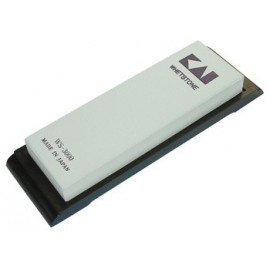
Avoid using the knife in a dishwasher, as hand washing helps protect both the blade and handle. For sharpening, a suitable whetstone or sharpening system for Japanese knives is recommended.
FAQ – KAI MGC-0428
What type of knife is the KAI MGC-0428?
The KAI MGC-0428 is a Japanese Nakiri knife, primarily designed for cutting and preparing vegetables and other ingredients on a cutting board.
How long is the blade?
The blade measures 16.5 cm, while the knife weighs approximately 185 g.
What steel does the KAI MGC-0428 use?
The Composite blade combines SUS420J2 stainless steel on the outer sections with a VG10 cutting core.
What does Composite construction mean?
Composite construction means that different types of steel are combined within the same blade. In the Seki Magoroku Composite series, the steels are joined using copper, creating the characteristic visible copper line along the blade.
Is the KAI MGC-0428 suitable for vegetables?
Yes. Vegetable preparation is one of its main applications. The Nakiri profile is particularly suitable for cutting, chopping and slicing vegetables.
Is the KAI MGC-0428 a Japanese Nakiri knife?
Yes. It is the Nakiri model in the KAI Seki Magoroku Composite series.
Can left-handed users use the MGC-0428?
Yes. Its double-bevel edge and symmetrical handle make it suitable for both right- and left-handed users.
Is the handle made of wood?
Yes. The handle is made from Pakka wood, a durable material commonly used for Japanese kitchen knife handles.
Is the KAI MGC-0428 made in Japan?
Yes. The MGC-0428 belongs to the Seki Magoroku Composite series made in Japan.
Can the KAI MGC-0428 be washed in a dishwasher?
Hand washing is recommended. The knife should be washed carefully and dried immediately after cleaning to help preserve the blade and handle.
Can the Nakiri MGC-0428 be used to cut meat?
It can be used for certain food preparation tasks, but its design is particularly suited to vegetables and ingredients cut on a cutting board. It should not be used for bones, frozen foods or heavy-duty cutting.
KAI MGC-0428: a Japanese Nakiri knife with Composite technology
The KAI MGC-0428 Seki Magoroku Composite combines the traditional profile of a Japanese Nakiri knife with a modern Composite blade construction.
Its 16.5 cm blade, VG10 cutting core, SUS420J2 outer steel, double-bevel edge and Pakka wood handle make it particularly well suited to precise vegetable preparation.
The distinctive copper line created by the Composite construction gives the knife a unique visual identity, while its Japanese manufacture and Nakiri profile make it a practical tool for everyday kitchen use.
For anyone looking for a 16.5 cm Japanese Nakiri knife, Japanese vegetable knife, or VG10 Japanese kitchen knife, the KAI MGC-0428 combines traditional Japanese knife design with contemporary Composite technology.
Accessories

5 other products in the same category:

Kai MGC-0400 Seki Magoroku Composite...
189,00 €
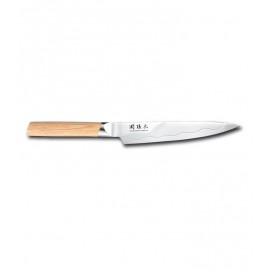
Kai MGC-0401 Seki Magoroku Composite...
199,00 €
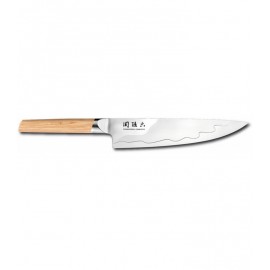
Kai MGC-0406 Seki Magoroku Composite...
255,00 €
Kai MGC-0402 Seki Magoroku Composite...
255,00 €
Kai MGC-0405 Seki Magoroku Bread...
265,00 €